Automating X.509 authentication with AI through Keytalk can greatly improve your security and streamline workflows. You'll save time and reduce the risk of human error in certificate management processes. Keytalk's intelligent system uses advanced algorithms to analyze requests and detect anomalies, ensuring efficient and secure authentication. You'll benefit from automated tasks like certificate renewal and monitoring, making compliance easier. Keep exploring to discover more about transforming your authentication processes with AI!
Key Takeaways
- Keytalk uses AI algorithms to automate the X.509 authentication process, enhancing efficiency and reducing manual intervention. Automated certificate management by Keytalk minimizes human error and ensures consistent compliance with security protocols. AI-driven insights from Keytalk improve decision-making on issuing, renewing, and revoking certificates in real-time. Keytalk's intelligent systems monitor certificate statuses and provide alerts for impending expirations, streamlining workflows. The integration of machine learning allows Keytalk to adapt to new risks, continuously enhancing authentication security.
Understanding X.509 Certificates
When you explore X.509 certificates, you'll find they're essential for secure communications over the internet. These digital certificates play a significant role in establishing trust between parties by binding an identity to a public key.
You'll notice that each certificate contains important information, like the issuer's details, the subject's identity, and the public key itself.
X.509 certificates are widely used in various protocols, such as SSL/TLS, ensuring that your data remains secure during transmission.
X.509 certificates are crucial for securing data transmission in protocols like SSL/TLS.
You'll also learn that they require validation through a trusted Certificate Authority (CA), which confirms the authenticity of the certificate.
The Role of AI in Cybersecurity
AI plays an essential role in enhancing cybersecurity by improving threat detection and predictive risk assessment.
By leveraging machine learning algorithms, you can identify potential vulnerabilities before they become major issues.
Additionally, automated response systems guarantee swift action against threats, minimizing damage and downtime.
Enhanced Threat Detection
As cyber threats continue to evolve, organizations must adopt advanced solutions to keep their systems secure.
AI plays a significant role in enhancing threat detection by analyzing vast amounts of data in real time. It can swiftly identify unusual patterns and behaviors that may indicate an attack, allowing you to respond before damage occurs.
With machine learning algorithms, AI continuously improves its detection capabilities, adapting to new threats as they emerge. By integrating AI into your cybersecurity framework, you’ll not only increase your response speed but also reduce the likelihood of human error.
Embracing these AI-driven tools helps you stay ahead of potential breaches, ensuring your organization's data remains protected against an ever-changing landscape of cyber threats.
Predictive Risk Assessment
Predictive risk assessment is transforming how organizations approach cybersecurity, allowing you to anticipate potential threats before they materialize. By leveraging AI algorithms, you can analyze historical data, identify patterns, and predict vulnerabilities specific to your infrastructure.
This proactive approach helps you prioritize security measures based on potential impact, rather than reacting to incidents after they occur.
With AI's ability to process vast amounts of data quickly, you gain deeper insights into emerging threats and trends. You can assess the likelihood of different attack vectors, enabling you to allocate resources effectively.
This not only strengthens your security posture but also fosters a culture of vigilance, ensuring your organization stays one step ahead of cybercriminals. Investing in predictive risk assessment is essential for modern cybersecurity strategies.
Automated Response Systems
With the growing sophistication of cyber threats, organizations can’t just rely on predictive risk assessment alone; they need to implement automated response systems that react swiftly to incidents.
 Control Semantic Ai Search For Your Business
These systems leverage AI to monitor network activity in real-time, identifying anomalies and potential breaches. When a threat is detected, automated responses can isolate affected systems, block malicious traffic, or alert your security team instantly.
This proactive approach minimizes damage and reduces response time considerably. By using AI, you can guarantee your organization remains agile and resilient against evolving threats.
The combination of predictive analytics and automated responses creates a thorough defense strategy, allowing you to focus on strategic initiatives while AI handles the immediate cybersecurity challenges.
Challenges of Manual X.509 Authentication
When you rely on manual X.509 authentication, you’re likely facing time-consuming processes that slow down operations.
There’s also the constant risk of human error, which can lead to security vulnerabilities.
Plus, as your organization grows, scalability issues can make managing certificates increasingly challenging.
Time-Consuming Processes
Although manual X.509 authentication is essential for securing communications, it often involves time-consuming processes that can hinder efficiency. You might find yourself bogged down with certificate requests, renewals, and revocations. Each step requires meticulous attention, as even minor delays can disrupt your operations.
Gathering and verifying the necessary information takes time, and coordinating with stakeholders adds layers of complexity. Additionally, tracking expiration dates and ensuring compliance with policies can feel overwhelming. This tediousness not only drains your resources but also diverts your focus from strategic initiatives.
As demands for security grow, it’s clear that relying on manual processes slows you down. Automating these tasks can streamline your workflow and enhance productivity, ultimately leading to a more secure environment.
Human Error Risks
While manual X.509 authentication plays a critical role in securing communications, it also exposes you to significant human error risks.
These mistakes can undermine your security efforts and lead to vulnerabilities. Here are three common risks you might encounter:
Key Mismanagement: You might accidentally share or lose private keys, exposing sensitive data to unauthorized access. Configuration Errors: Incorrectly setting up authentication parameters can result in failed authentications or, worse, allow unauthorized entities to gain access. Data Entry Mistakes: Simple typos when entering certificate details can lead to trust issues, causing authentication failures or breaches.Scalability Issues
As your organization grows, managing X.509 authentication manually can become increasingly challenging. You might find it hard to keep track of numerous certificates, leading to potential delays and security risks.
The manual process often involves tedious tasks like issuing, renewing, and revoking certificates, which can quickly overwhelm your team. As the number of users and devices increases, so does the complexity of maintaining secure connections.
You could face bottlenecks, especially during peak times, affecting your overall efficiency. This cumbersome approach not only consumes valuable resources but also heightens the risk of errors.
Automating X.509 authentication with AI can help you scale effortlessly, ensuring smoother operations without compromising security or performance.
Benefits of Automating Authentication Processes
Automating authentication processes offers numerous advantages that streamline security and enhance user experience. By integrating automation, you can greatly improve efficiency and reduce human error, making your systems more secure.
Here are three key benefits:
Time Savings: Automation speeds up the authentication process, allowing users to access systems quickly without delays. Consistency: Automated systems apply the same rules and protocols every time, ensuring reliable and uniform authentication across all devices. Cost-Effectiveness: Reducing manual intervention lowers operational costs, freeing up resources for other important tasks.How Keytalk Integrates AI With X.509
Keytalk harnesses the power of AI to enhance X.509 authentication, making it smarter and more efficient.
With advanced algorithms, Keytalk analyzes patterns in authentication requests, identifying anomalies that could signal potential security threats. This real-time analysis helps you detect and respond to unauthorized access attempts faster than traditional methods.
By leveraging machine learning, Keytalk continuously improves its authentication processes, adapting to new risks as they arise.
You’ll benefit from streamlined certificate management, as AI-driven insights guide you in making informed decisions about issuing, renewing, and revoking certificates.
This integration not only boosts security but also optimizes your overall workflow, freeing up valuable resources and allowing you to focus on what matters most—your core business objectives.
Streamlining Workflows With Keytalk
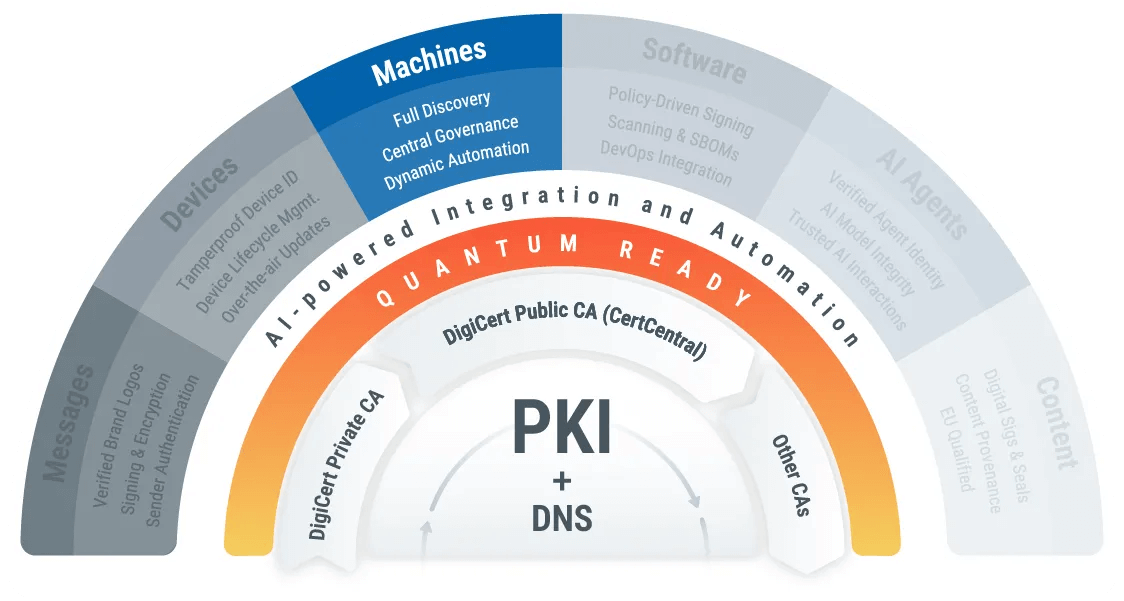
While managing X.509 certificates can be complex, https://passrealnews.com/s-mime-management-and-automation-keytalk/ Keytalk simplifies the process, allowing you to focus on your core business. By streamlining workflows, you can enhance productivity and guarantee a smoother operation.
 Explore Semantic Ai Search For Digital Growth
Here’s how Keytalk can help you:
Automated Certificate Management: Keytalk automates the issuance, renewal, and revocation of certificates, eliminating manual tasks and reducing time spent on administration. Centralized Dashboard: With a user-friendly dashboard, you can easily monitor certificate statuses and gain insights into your authentication processes, making it simple to stay organized. Integration with Existing Systems: Keytalk seamlessly integrates with your current infrastructure, guaranteeing minimal disruption while maximizing efficiency.Reducing Human Error in Authentication
Human error remains a significant challenge in authentication processes, often leading to security vulnerabilities and operational inefficiencies. You might overlook key details when manually handling X.509 certificates, increasing the risk of expired or misconfigured credentials.
By automating these processes with AI, you can minimize the chances of human mistakes. Implementing intelligent systems helps you manage authentication workflows more effectively, ensuring that every certificate is valid and up to date. These systems can provide alerts for impending expirations, reducing the likelihood of errors due to oversight.
Additionally, automating repetitive tasks frees up your time, allowing you to focus on more critical aspects of security. Ultimately, reducing human error is essential for maintaining a robust authentication framework.
Enhancing Security Through Automation
As you integrate automation into your authentication processes, you'll find that security markedly improves.
Automated systems reduce the risk of human error and enhance the effectiveness of your X.509 authentication. With AI managing routine tasks, you can focus on more strategic security initiatives.
Here are three key benefits of security automation:
Real-time Threat Detection: Automated systems can quickly identify and respond to potential threats, minimizing downtime. Consistent Compliance: Automation guarantees adherence to security protocols and regulations, reducing the chance of oversights. Scalability: As your organization grows, automated solutions can easily adapt to increasing demands without compromising security.Future Trends in X.509 Authentication and AI
With the foundation of security automation firmly established, the future of X.509 authentication is poised for significant transformation driven by AI advancements.
You’ll see AI algorithms enhancing certificate lifecycle management, making it easier to issue, renew, and revoke certificates automatically. This shift will reduce human error and improve response times to security incidents.
Additionally, machine learning will help identify anomalies in authentication patterns, enabling proactive threat detection. As AI continues to evolve, expect smarter decision-making processes that adapt to emerging threats in real time.
Machine learning will enhance anomaly detection in authentication, paving the way for proactive threat response and real-time adaptive decision-making.
You'll also benefit from seamless integration with IoT devices, ensuring secure authentication across diverse environments.
Frequently Asked Questions
What Is the Cost of Implementing Keytalk for X.509 Authentication?
When considering the cost of implementing an X.509 authentication system, you’ll need to evaluate several factors.
These include licensing fees, hardware requirements, and potential training for your team.
Don’t forget to factor in ongoing maintenance and support costs, as they can add up over time.
How Does Keytalk Ensure Compliance With Industry Regulations?
Keytalk guarantees compliance with industry regulations by integrating robust security protocols and continuously monitoring your systems.
They keep up with the latest standards, like GDPR and HIPAA, guaranteeing your data handling meets legal requirements.
Through regular audits and updates, you can trust that your authentication processes align with necessary regulations.
Plus, their automated solutions help reduce human error, making it easier for you to maintain compliance without overwhelming your team.
Can Keytalk Integrate With Existing Authentication Systems?
Imagine a world where your current authentication systems seamlessly connect with new technology. You might wonder if integrating these systems is even possible.
With Keytalk, it absolutely is. You can easily incorporate it into your existing setups, enhancing security without disruption.
This integration guarantees a smooth changeover, allowing you to maintain your current workflows while bolstering authentication processes.
What Types of Businesses Benefit Most From Keytalk's Solutions?
Businesses that rely heavily on secure digital communications, like finance, healthcare, and tech, benefit most from advanced authentication solutions.
If your company handles sensitive data or requires stringent compliance, implementing robust security measures is essential.
Organizations with a large number of users, devices, or transactions will also find value in streamlined authentication processes, enhancing both security and user experience.
Ultimately, any business prioritizing cybersecurity can gain significant advantages from these solutions.
Is Technical Support Available for Keytalk Users?
You’ll find that technical support is readily available for users, just when you need it most.
With various channels like email, chat, and phone, you can easily reach out for assistance.
Whether you’re troubleshooting an issue or seeking guidance, the support team’s there to help you navigate any challenges.
This accessibility guarantees you’re never left in the dark, allowing you to make the most of the services and tools at your disposal.
Conclusion
As you traverse the digital forest, X.509 certificates are your guiding stars. But like maneuvering through dense trees, manual authentication can lead you astray. With Keytalk’s AI, you’re not just following the stars; you’ve got a trusty compass that cuts through the confusion. By automating these processes, you reduce errors and enhance security, ensuring you stay on the right path. Embrace this innovation, and let the winds of change carry you toward a safer digital future.